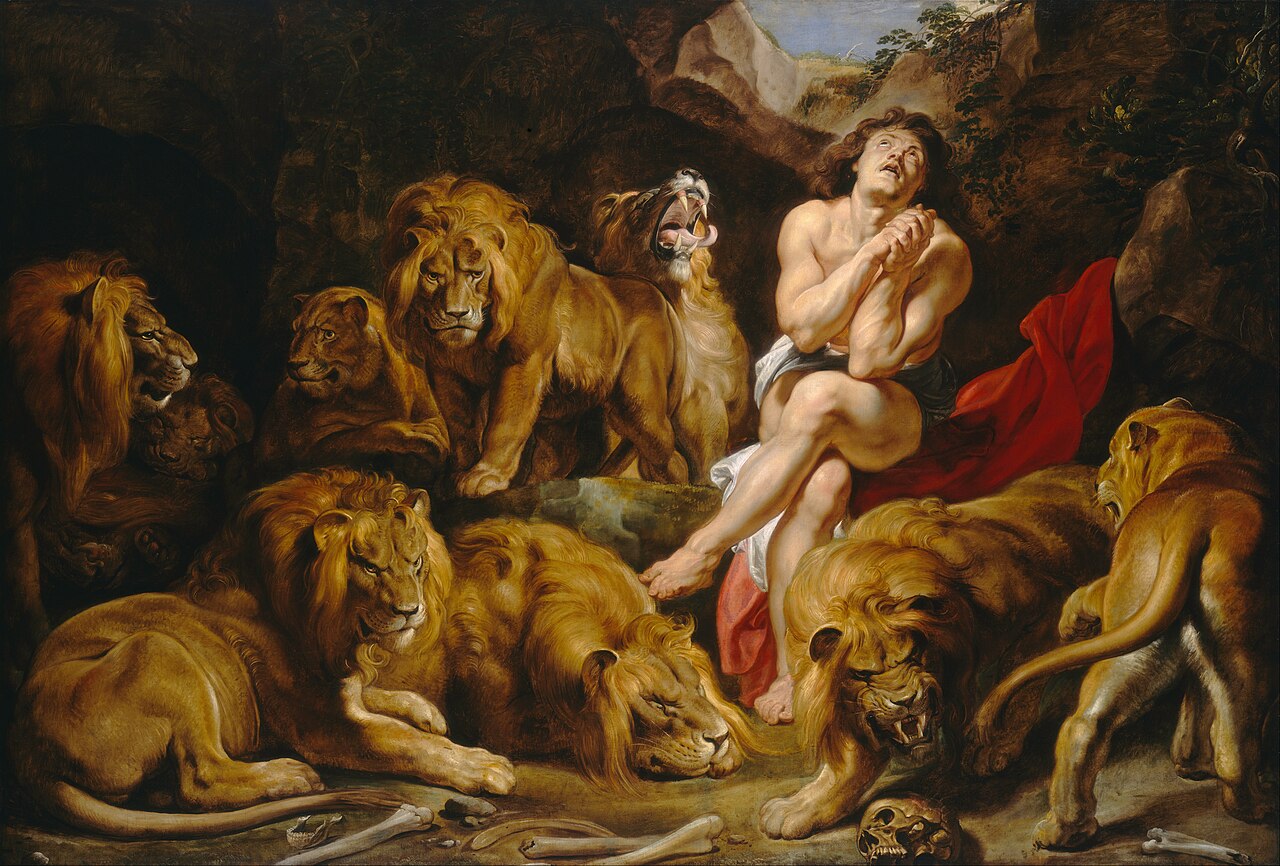
The Enduring Tapestry of Faith: Introducing the Book of Daniel
The Book of Daniel stands as a beacon of hope and unwavering faith, its narratives deeply etched into the annals of religious history. Set against the tumultuous backdrop of Babylon's first brutal assault on Jerusalem, this ancient text chronicles a pivotal moment when a wave of Israelites, including members of the royal Davidic line, were forcibly taken into exile. Among these prisoners were Daniel—later known by his Babylonian name, Belteshazzar—and his three steadfast companions: Shadrach, Meshach, and Abed-nego. Their story is a powerful testament to maintaining hope and identity in the land of their conquerors, offering timeless reassurance that divine justice will ultimately confront evil and deliver the faithful. While many modern searches might track figures like 'daniel skye net worth' to gauge influence, the enduring legacy and profound impact of
the Daniel we explore today, found within the pages of an ancient text, offers a different kind of invaluable insight—spiritual wealth and historical depth that transcends material valuations. This article will delve into one of the most intriguing aspects of the Book of Daniel: its unique bilingual structure, a deliberate design choice that profoundly shapes its message and meaning.
The Exile's Crucible: Setting the Stage for Daniel
The historical context of the Book of Daniel is crucial to understanding its profound impact. Imagine Jerusalem, the heart of the Israelite kingdom, devastated; its temple plundered, and its people, including its brightest minds and royalty, uprooted and transported hundreds of miles to a foreign land. This was the reality for Daniel and his friends. Stripped of their homeland, their culture, and their religious freedom, they faced immense pressure to assimilate into Babylonian society. Their very identities, rooted in the Torah and their covenant with God, were challenged at every turn.
Chapter 1 of Daniel immediately introduces this fundamental tension. Daniel and his friends, chosen for their wisdom and capability, are recruited to serve in the royal palace. However, this prestigious position comes with a grave test: they are expected to adopt Babylonian customs, including their diet, which violates Jewish food laws. Their courageous refusal to compromise, choosing faithfulness to the Torah even at great personal risk, sets the stage for the entire book. Miraculously, God delivers them, demonstrating His sovereignty even in exile, leading to their elevation by the king. This initial act of defiance and divine vindication provides the core "plot tension" that resonates throughout the narratives and prophecies that follow. It’s a powerful illustration of how unwavering faith can lead to unexpected outcomes, a theme further explored in
Daniel's Exile Story: Hope and Unwavering Faith.
A Tale of Two Tongues: Unpacking Daniel's Bilingual Design
What makes the Book of Daniel truly stand out, beyond its compelling narratives, is its fascinating linguistic architecture. At first glance, the book appears to be a straightforward compilation of stories and visions. However, a deeper look reveals a deliberate, alternating use of two ancient languages: Hebrew and Aramaic.
The book begins, as one might expect for an Israelite prophet, in
Hebrew in Chapter 1. This immediate connection to the language of the Torah and the Jewish people establishes Daniel’s identity and the initial conflict within a Jewish cultural framework.
However, a remarkable shift occurs in Chapter 2. From this point, through to Chapter 7, the text is written entirely in
Aramaic, a cousin language to Hebrew that served as the diplomatic and administrative lingua franca across the vast ancient Near Eastern empires, including Babylon and Persia. This was the language of international communication, state affairs, and imperial decrees.
Then, just as unexpectedly, the book reverts to
Hebrew for its final section, Chapters 8 through 12.
This unique bilingual design is no mere coincidence; it is a highly intentional literary and theological choice. It effectively highlights the Aramaic section (Chapters 2-7) as a distinct, coherent unit within the broader narrative. Furthermore, it subtly underscores the critical relationship between Chapter 2 and Chapter 7, indicating that these two chapters, framing the Aramaic section, are key to unlocking the book's overall meaning.
Chapter 1: The Hebrew Foundation of Faith
Chapter 1, penned in Hebrew, serves as a crucial prologue. It grounds the reader in the specific cultural and religious context of Daniel and his friends, emphasizing their Jewish identity and their commitment to God's law even under immense duress. This chapter is vital because it establishes the principle that faithfulness to God, even in seemingly small acts like refusing forbidden food, brings divine favor and protection. It sets a precedent that God intervenes on behalf of those who honor Him, providing a foundational truth upon which the more cosmic visions of the Aramaic section are built. For readers, it offers a practical lesson: consistent integrity in personal choices can have profound, far-reaching consequences.
The Aramaic Interlude: Universal Empires and God's Kingdom
The transition to Aramaic in Chapters 2-7 signals a shift in focus from the personal struggles of Jewish exiles to the broader sweep of world history and the clash of empires. This section, often noted for its striking symmetrical (chiastic) design, addresses universal themes of imperial power, human arrogance, and God’s ultimate sovereignty over all nations.
*
Chapter 2: Nebuchadnezzar's Dream of the Statue: This pivotal chapter introduces the Babylonian king’s terrifying dream of a colossal statue made of various metals (gold, silver, bronze, iron, and clay). Daniel, empowered by God, interprets the dream: the statue represents a sequence of successive human kingdoms, with Babylon as the golden head. Crucially, a mysterious rock, cut without human hands, shatters the entire statue, growing into a mountain that fills the earth. Daniel reveals this rock symbolizes God’s eternal kingdom, which will humble all arrogant nations and establish justice and healing across the globe. This vision sets a fundamental storyline that governs the understanding of all subsequent prophecies and is a central piece in
Unpacking Daniel's Prophecies: Visions of God's Kingdom.
*
Chapter 3: The Fiery Furnace: Following this, chapter 3 brings us the famous story of Daniel’s three friends. They famously refuse to bow down and worship a huge idol statue erected by King Nebuchadnezzar, which represents the king’s absolute imperial power—a direct echo of the themes of idolatry and human arrogance introduced by the statue in Chapter 2. Their miraculous deliverance from the fiery furnace, unharmed, powerfully reinforces the message that God protects those who remain faithful, even when facing death for their convictions.
The use of Aramaic for these narratives is particularly fitting because they deal with matters concerning not just Israel, but the wider Gentile world and the succession of empires. It's a universal language for universal messages, showcasing God's dominion over all earthly rulers and His plan for all humanity. This section, therefore, offers a macro-perspective on divine history, reminding readers that beyond human machinations, a divine hand guides the destinies of nations.
Beyond the Bilingual Barrier: Enduring Messages for Today
The deliberate bilingual structure of the Book of Daniel is more than a literary curiosity; it's a profound theological statement. By starting in Hebrew, then transitioning to Aramaic, and returning to Hebrew, the book seamlessly weaves together the particular experiences of the Jewish people with the universal truths of God's sovereignty over all nations. The Aramaic sections (2-7) vividly portray God's control over Gentile empires, demonstrating that He is not merely the God of Israel, but the God of all creation, orchestrating world events according to His divine purpose. The return to Hebrew in chapters 8-12 then brings the focus back to specific prophecies concerning Israel's future and the ultimate triumph of God’s people.
This design enriches the book's core messages:
*
Hope Amidst Oppression: Even in exile, God provides hope and delivers His faithful.
*
Unwavering Faithfulness: Choosing integrity over compromise is always rewarded, often miraculously.
*
God's Ultimate Sovereignty: No earthly power, no matter how vast or intimidating, can thwart God’s ultimate plan to establish His righteous kingdom.
For contemporary readers, Daniel offers vital lessons: the courage to stand firm in one's convictions in a pluralistic or even hostile society, the wisdom to discern God's hand in history, and the enduring hope that despite present challenges, divine justice will prevail. It encourages us to look beyond immediate circumstances, understanding that a greater narrative is unfolding—one guided by a benevolent and omnipotent God.
In conclusion, the Book of Daniel is a masterclass in ancient storytelling and prophetic revelation, significantly enhanced by its unique bilingual structure. This deliberate linguistic architecture is not just an ancient literary device; it's a sophisticated framework that amplifies its central themes of God's universal sovereignty, His care for His people, and the ultimate triumph of His eternal kingdom over all earthly powers. It remains a timeless source of inspiration, reminding every generation of the enduring power of faith and the certainty of divine justice.